Raymond Moriyama passes, aged 93. Long live Moriyama's works and ideas!
(October 11, 1929 – September 1, 2023)
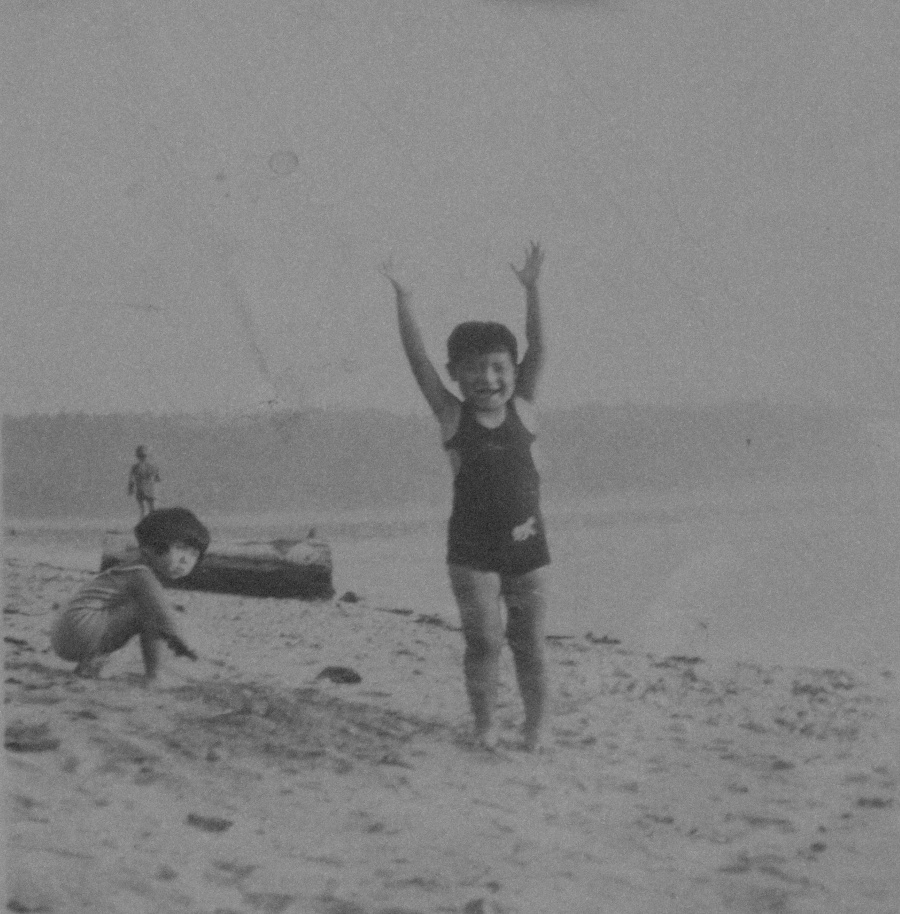
Raymond Moriyama passed away, aged 93, on September 1st, 2023 and led a life of both strife and exaltation. Strife from being born Japanese-Canadian and a youth amid the outbreak of World War Two, when he was a child. His family lost their property and business and they, with about 22 000 other Japanese Canadians, were rounded-up and relocated to places like Slocan, BC where Raymond spent part of his youth. Moriyama felt great bitterness from being separated from his mother, socially isolated from his ethnic community due to fifty percent of his skin being burnt from a childhood accident (they called him ‘diseased’) and being denied the same upbringing as non-Japanese citizens. Somehow, Moriyama managed to get past his anger and use the Slocan environs as his place of learning and first forays into architecture. When World War two ended, the Moriyama family started from scratch, relocating to Hamilton Ontario, but Raymond excelled academically and flourished as an architect. From a young age, during the 1950’s, Moriyama was awarded for his designs of golf course shelters dubbed the ‘Half Way House Golf Course’, the Civic Gardens Centre (now called The Toronto Botanical Gardens), and the Japanese Canadian Cultural Centre (JCCC). The latter would lead to Moriyama being selected to design the Ontario Science Centre (OSC).
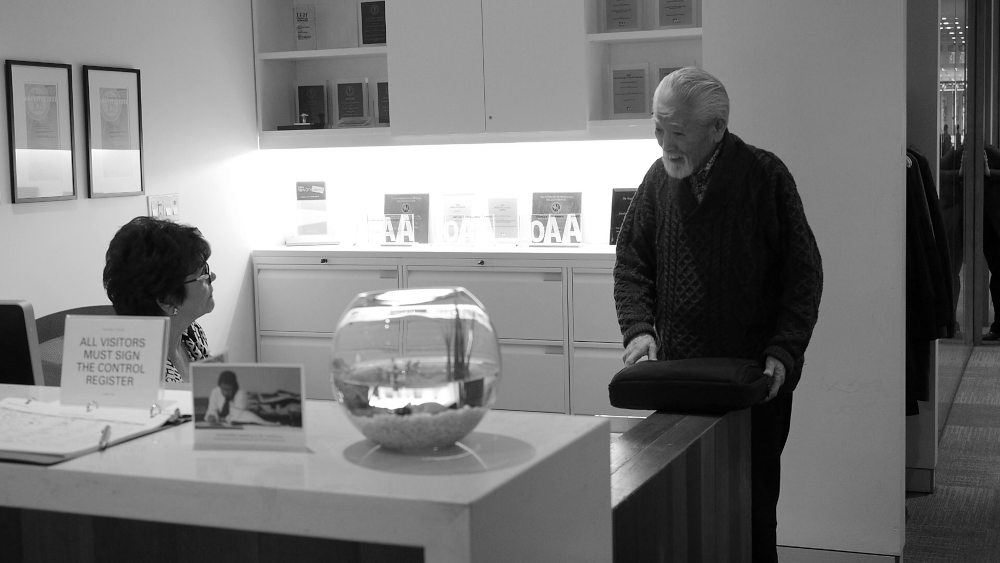
It was by chance I was asked by the treasurer of the Architecture Conservancy Ontario (ACO) to record an interview with Raymond Moriyama for the 50th anniversary of the OSC. I arrived at the Moriyama & Teshima architecture office at 117 George Street to meet a dapper, elegantly dressed, Raymond Moriyama who was cordial and showed us the conference room. The ACO just needed a ten minute video segment recorded about the OSC, but Moriyama spoke for three hours about the ideation and making of the iconic building and my camera and mics recorded all of it. Moriyama’s work and ideas illuminated areas of my childhood, youth and adulthood. Since an early age, I had school and family trips to the Science Centre and there was always a feeling of being happily overwhelmed at the vastness and beauty and engagement with the science centre. I also attended, however, briefly, Keele Public School, designed by Moriyama. Even children could appreciate it’s unique, almost futuristic, flowing, submarine-like shape. The Toronto Reference Library, another Moriyama building is an ongoing destination since adolescence, is an inspiring paean to knowledge. I always get the cold sweats when looking over the inner space from the top floor balcony. Though Moriyama is with us no more, his designs and ideas continue to shape and guide our lives in Ontario. His works are worth struggling to preserve. Below, Moriyama speaks to how Canada is still relatively young country and the golden age, that ‘golden moment’, has yet to arrive.