
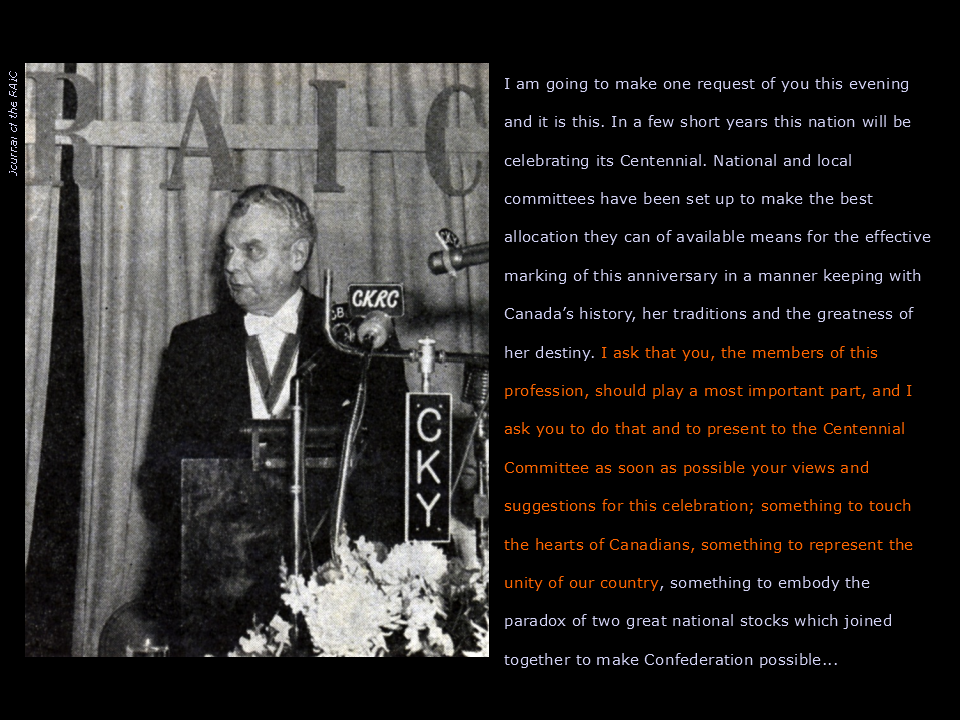
The Ontario Science Centre (OSC) is a Centennial project. That means it is made to commemorate Canada's 100th anniversary of confederation. Prior to the 1960's, Canadian architecture was mostly derivative of European colonial, namely French and British. By the 1960's, Canada moved away from being a mostly resource-based nation to a place with an emerging independent culture and identity. In 1960, in anticipation of the upcoming Centennial (1967), then-Prime Minister John Diefenbaker tasked architects of the time to design infrastructure for the arts, sciences and culture at the meeting of the Royal Architecture Institude of Canada (RAIC).
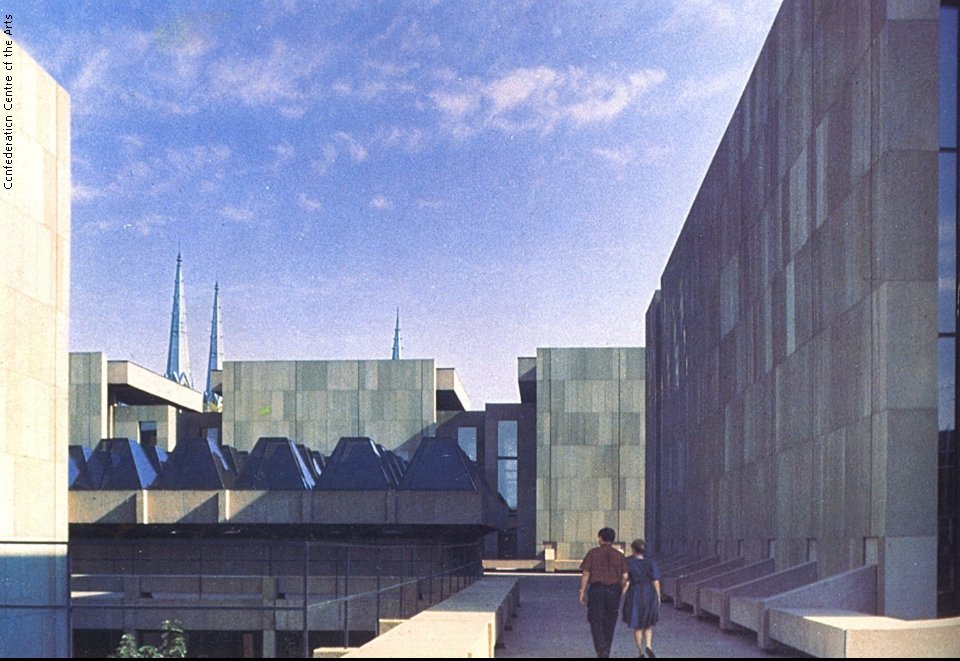
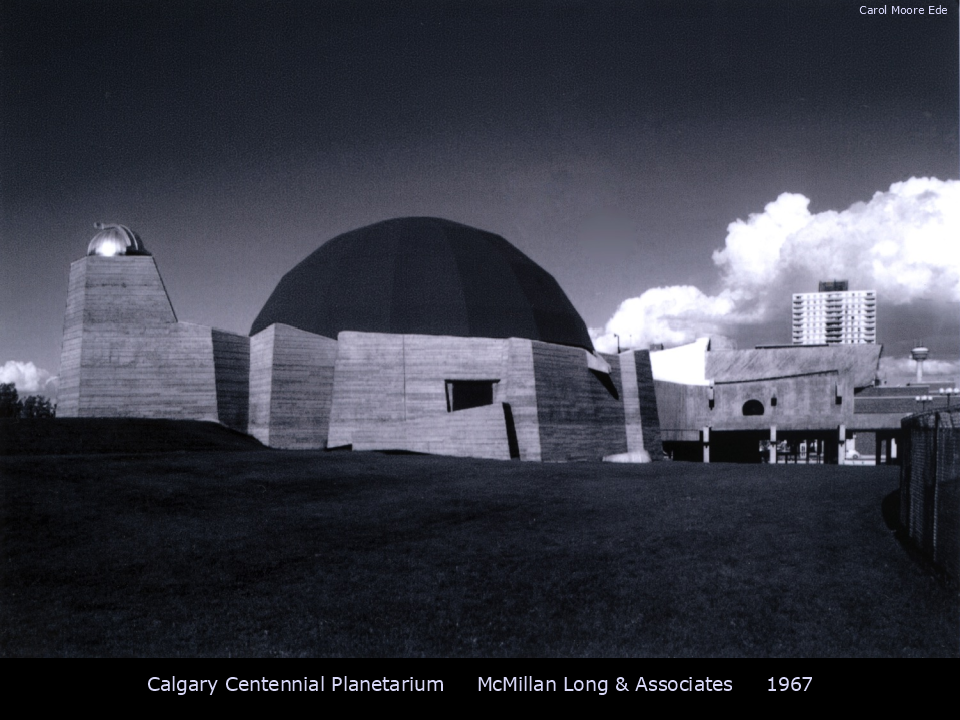
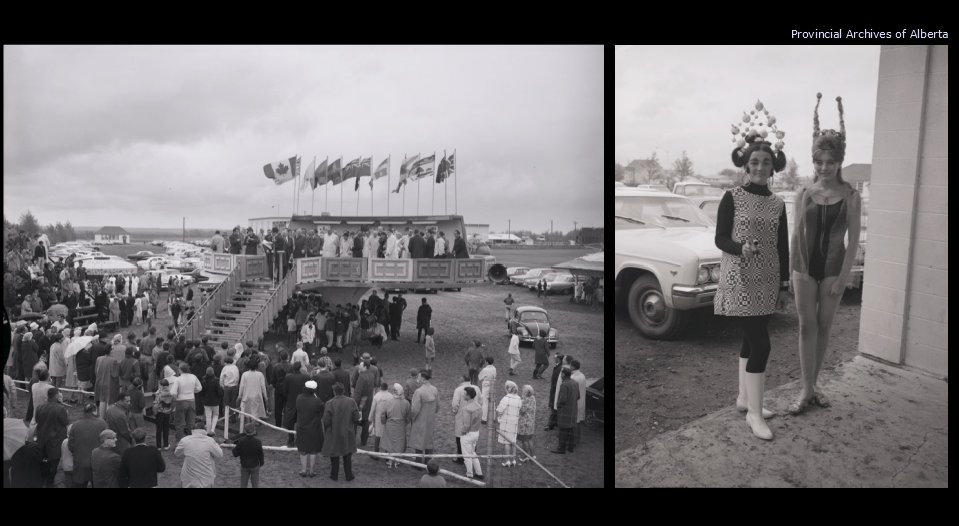
One of the earliest Centenial buildings was the Fathers of Confederation Memorial Buildings, constructed in 1962 Prince Edward Island. Not long after, other Canadian provinces also wanted Centennial buildings and the federal government allocated each province approximately five million dollars for this. Moreover, each province received budgets, not just for large projects, but modest ones such as parks and infrastructure like bridges and libraries. While many of these buildings survived the years, some did not or are 'at risk'. Among larger projects built are a Planetarium and UFO landing pad in Alberta, a center for performing arts in Quebec and a center of science and technology in Ontario. It is the latter that may be the largest and most ambitious Centennial building in all of Canada.
During the 1960's, Ontario elected a Progressive Conservative (PC) government with John Robarts as Premier and Ray Connell as minister of public works who co-developed the idea of a science museum to facilitate science literacy. Especially among youth. This was an era of great leaps in technology in Canada such as the Alouette 1 space sattelite launched in 1962 and the surpassing Arrow 1 jet interceptor developed during the latter 1950's. It was also the time of the so-called Space Race between the United States and then-Russian Soviet Union that started in the mid-to-late 1950's where both sides competed for dominance of space exploration. Science and technology was at the forefront of minds and the future of the country.

As premier Robarts put it:
The Ontario Science Centre is the most ambitious and most complex of the Provincial Centennial projects undertaken in Canada to commemorate our first 100 years as a country. I am confident that during the next 100 years it will have an impact on far more people than any other single Centennial project. It will be enjoyed by those who wish to be entertained. It will satisfy the thirst of those who wish to learn. It will enhance the opportunities of those who wish to study. In my view, the Ontario Science Centre will make a most stimulating and significant contribution to the quality of life in Ontario and, indeed, in the whole country. I am confident you will share my enthisiasm.
The Ontario Science Centre is most emphaticlaly not a museum as we have known museums in the past. Rather it is a springboard to our future. Man and his knowledge evolve constantly. The evolution of science and technology is dramatically illustrated here. Because science and technology are growing and expanding, this centre will be in a constant state of change so that we may keep abreast -- and occassionally ahead --of the enormous developments which occur almost daily.
...For myself, I believe that its greatest contribution will be in the field of education in the broadest sense of the word. This centre will attract and inform people of all ages. But this centre has a special role for youth and will supplement and enrich the science curriculum of our schools in a way that we had not dreamed would not be possible a few short years ago. Our young people will come here by the thousands to come here to explore and experience science and technology."
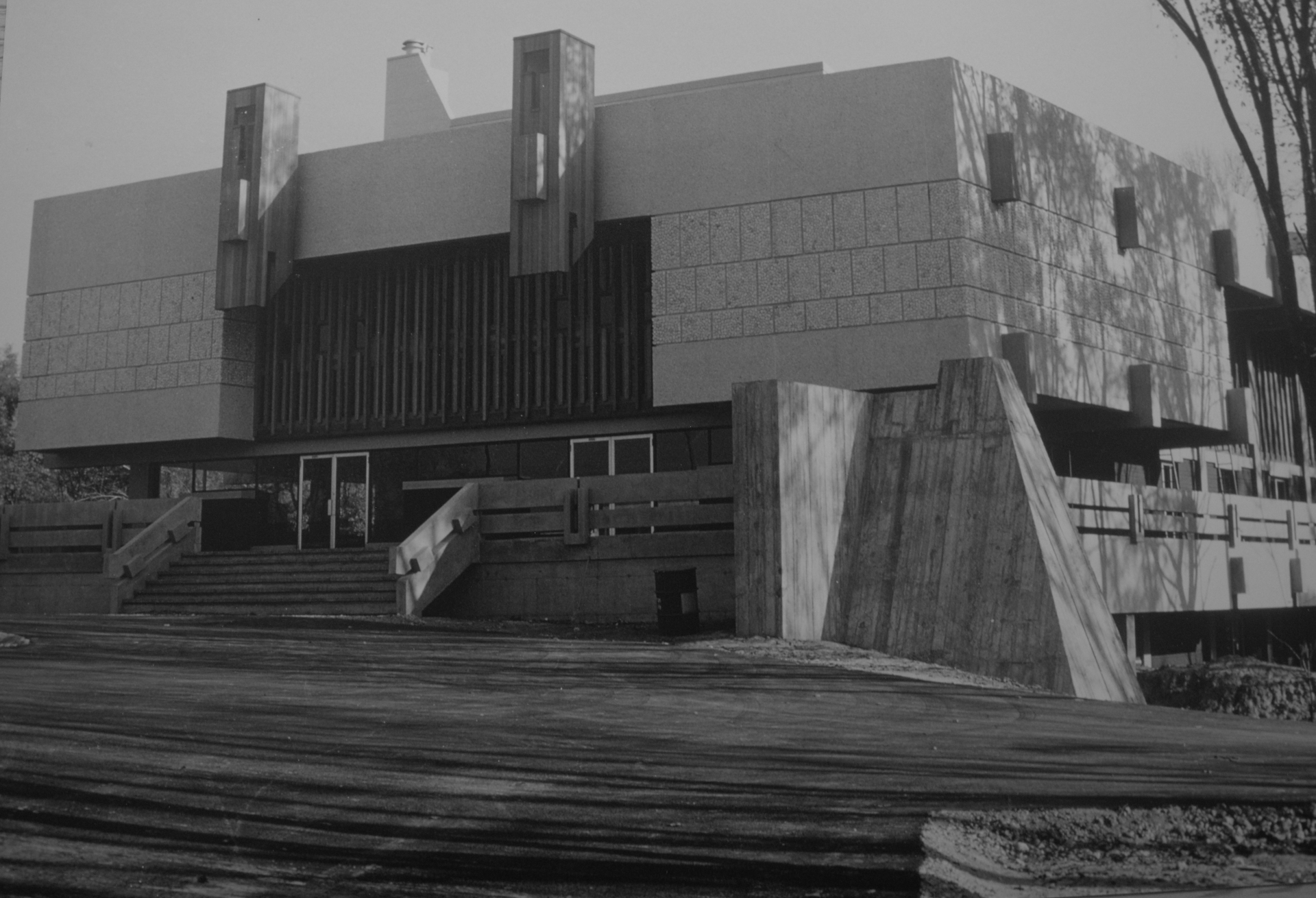
With the idea of creating a museum of science and technology in an emerging modernist Canadian style, an architect needed to be sourced. Many architects and prominent firms bid for the project but Robarts and Connell had their sights on someone who did not bid on the project. In 1964, young architect, Ray Moriyama designed the first Japanese Canadian Cultural Centre (JCCC) at 123 Wynford Drive in Toronto. For its time, not many buildings were like the JCCC, a fusion of Far East design philosophies and modernist European-influenced brutalist architecture theory, coupled with a reverence for the surrounding landscape. The JCCC is a forward thinking, futurist design that respects landscape and traditions, but also challenges conventions in architecure. The JCCC made waves in the architecture world and emerging young Candian architects were inspired to work with Moriyama because of this. Established architects at rival firms also acknowledged Moriyama, naming him as the alternate choice if they did not win the bid. The JCCC would end up becoming the prototype design for the Ontario Science Centre.